Description
Scientific Classification:
- Kingdom: Plantae
- Clade: Angiosperms
- Clade: Eudicots
- Order: Ranunculales
- Family: Ranunculaceae
- Genus: Nigella
- Species: N. sativa
Common Names: Kalonji, Black Caraway, Black Cumin, Black Seed
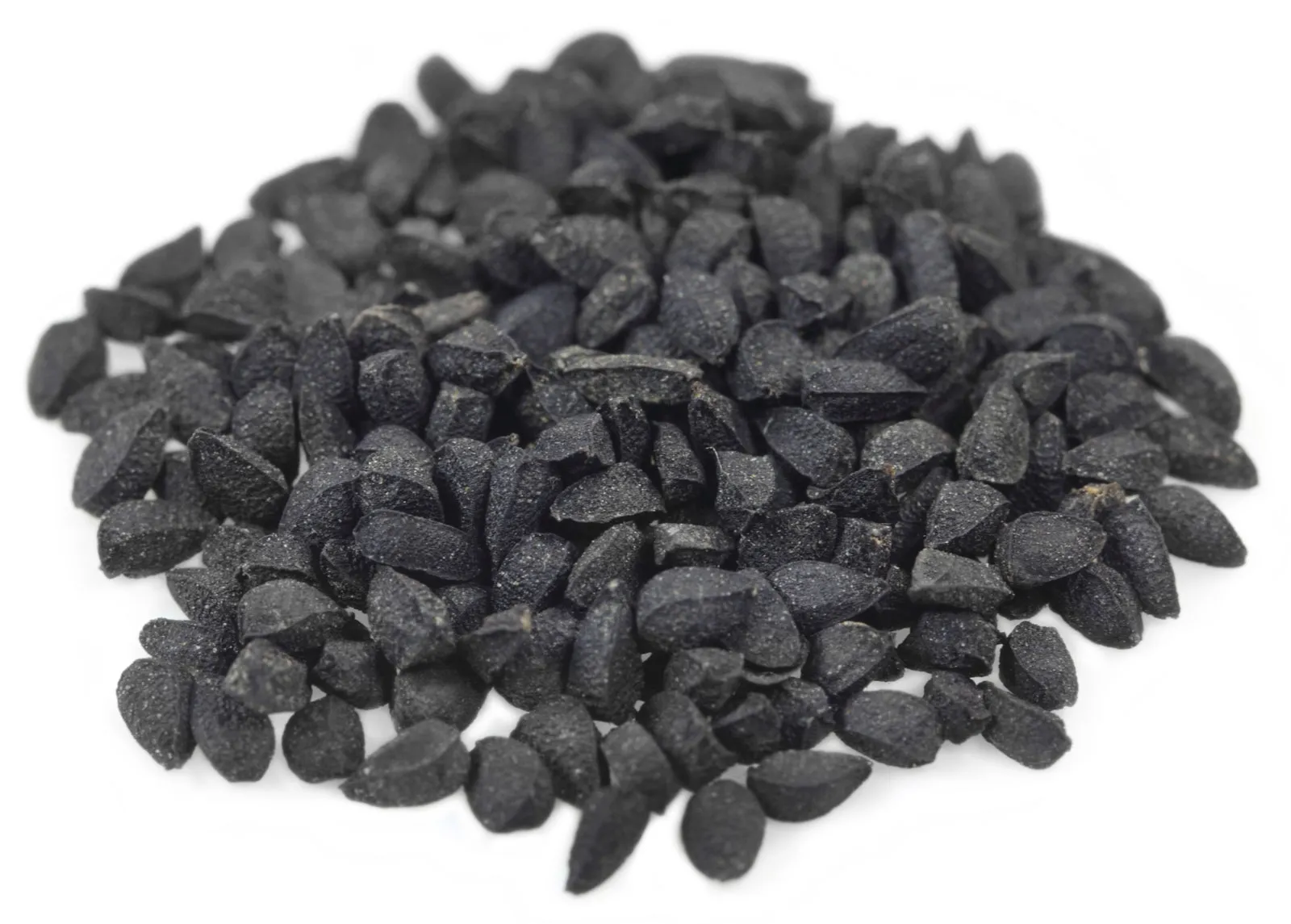
Description: Black Caraway, commonly known as Kalonji, is derived from the seeds of the Nigella sativa plant. These small, black seeds have a slightly bitter and peppery flavor, often described as a mix between onions, black pepper, and oregano. Kalonji seeds are widely used in culinary applications and traditional medicine.
Appearance:
- Seeds: The seeds are small, black, and angular with a rough texture.
- Plant: Nigella sativa is an annual flowering plant that grows to about 20-30 cm in height.
- Leaves: The leaves are finely divided, giving the plant a feathery appearance.
- Flowers: The flowers are usually pale blue or white with five to ten petals.
Habitat: Nigella sativa is native to South and Southwest Asia but is now cultivated in various parts of the world, including the Middle East, Europe, and India. The plant thrives in well-drained soil with plenty of sunlight.
Culinary Uses: Kalonji seeds are commonly used in cooking to add flavor and aroma to dishes:
- Baking: Used in bread and pastry toppings.
- Spice Blends: Integral to spice mixtures like panch phoron and garam masala.
- Pickles: Often added to pickles for their distinctive taste.
- Garnishes: Sprinkled over salads, curries, and stir-fries.
Medicinal Uses: Kalonji has been used in traditional medicine for centuries due to its numerous health benefits:
- Digestive Health: Aids in digestion and helps relieve bloating and indigestion.
- Respiratory Health: Used to treat asthma, bronchitis, and other respiratory conditions.
- Immune Support: Boosts the immune system and helps fight infections.
- Anti-inflammatory: Reduces inflammation and is beneficial for conditions like arthritis.
- Antioxidant: Contains antioxidants that help protect the body from damage by free radicals.
Nutritional Value: Kalonji seeds are rich in essential nutrients, including:
- Vitamins: Such as vitamin A, B-complex, and C.
- Minerals: Including calcium, iron, potassium, and zinc.
- Fatty Acids: Contain essential fatty acids like linoleic acid and oleic acid.
- Proteins and Amino Acids: A good source of proteins and essential amino acids.
Cultural Significance: Kalonji is highly regarded in various cultures and is often mentioned in traditional medicinal texts for its healing properties. It is also considered sacred in some religious traditions, believed to be a remedy for numerous ailments.
Precautions: While Kalonji is generally safe for most people, it should be used in moderation. Pregnant and breastfeeding women, as well as individuals with specific health conditions, should consult a healthcare professional before using Kalonji for medicinal purposes.

Reviews
There are no reviews yet.