
Description
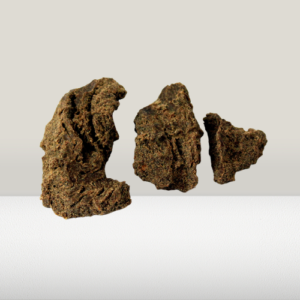
Box Myrtle (Kath Phal / Kaiphal)
Scientific Classification:
- Kingdom: Plantae
- Clade: Angiosperms
- Clade: Eudicots
- Order: Myrtales
- Family: Myrtaceae
- Genus: Eugenia or Myrica (depending on the specific species)
- Species: Various species within the genera Eugenia or Myrica
Common Names: Kath Phal (کاٹھ پھل) or Kaiphal (کائیپھل) in Urdu, Box Myrtle
Description: Box Myrtle refers to several species of plants that belong to different genera within the Myrtaceae family. The term “Box Myrtle” is somewhat ambiguous and can refer to plants from the genera Eugenia or Myrica, both of which have species known by this common name. These plants are typically characterized by their aromatic leaves, edible fruits, and sometimes medicinal properties.
Appearance:
- Leaves: The leaves are usually aromatic, glossy, and lanceolate to elliptic in shape.
- Fruits: The fruits are small berries that can vary in color from red to purple or black, depending on the species.
- Habit: Depending on the species, Box Myrtle plants can range from shrubs to small trees.
Habitat: Box Myrtle plants are found in various regions around the world, including Asia, Europe, and North America. They often grow in diverse habitats ranging from forests to coastal areas.
Uses:
- Culinary: The fruits of some species are edible and used in jams, jellies, or beverages.
- Medicinal: Some species have traditional uses in herbal medicine for their antioxidant or antimicrobial properties.
- Aromatic: The leaves of many species are aromatic and used in culinary dishes or for their fragrance.
Cultural Significance: Box Myrtle plants may have cultural significance in different regions due to their culinary uses or traditional medicinal applications. They are also valued in gardens for their aromatic foliage and attractive berries.
Precautions: As with any wild or herbal plant, identification and proper preparation are important to avoid any potential risks. Some species of Box Myrtle may have toxic parts or side effects, so caution is advised before using them for culinary or medicinal purposes.
Reviews
There are no reviews yet.